
Leading Concrete Repair Products That Ensure Structural Stability
Explore the best-rated solutions designed to reinforce and repair concrete structures with confidence.
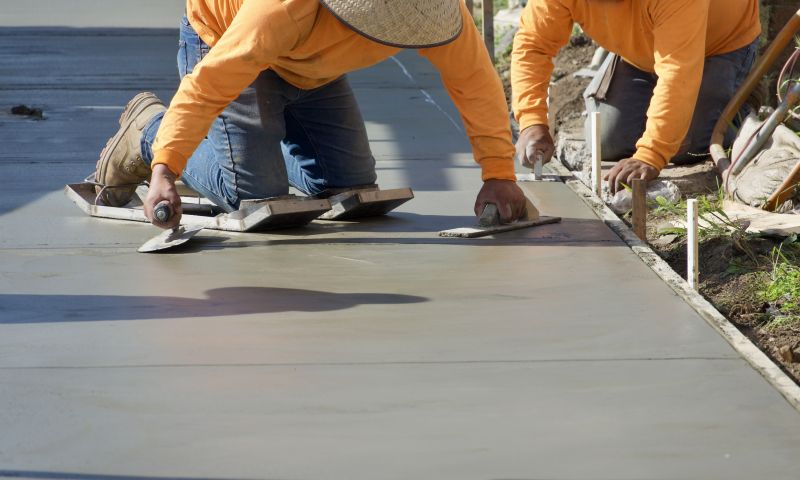 Concrete repair products are essential for maintaining the integrity and appearance of concrete surfaces in residential, commercial, and industrial settings. Whether addressing small cracks or significant surface damage, selecting the right repair materials can help extend the lifespan of concrete structures. These products come in various formulations, including patching compounds, sealants, adhesives, and surface coatings, each suited for specific repair needs. Proper application and selection are crucial to ensure durability and a seamless finish.
Top Overall Option
Versatile Concrete Patch and Repair Compound
This repair compound offers a reliable solution for a variety of concrete patching needs. It adheres well to existing surfaces, provides good structural stability, and is suitable for both interior and exterior applications. Its ease of use and durable finish make it a popular choice among homeowners and professionals alike.
Types of Products For Concrete Repairs
Concrete Patch and Repair Compound
Ideal for filling cracks, holes, and surface imperfections on concrete surfaces.
Epoxy Concrete Repair
Provides high-strength bonding for structural repairs and deep cracks.
Polyurethane Sealants
Flexible sealants suitable for sealing joints and preventing water infiltration.
Hydraulic Cement
Quick-setting cement used for stopping active leaks and repairing broken edges.
Surface Coatings and Sealers
Protects repaired surfaces from moisture, stains, and weathering.
Concrete Resurfacing Products
Used to restore the appearance and texture of worn or damaged concrete surfaces.
Crack Injection Kits
Specialized kits for filling and sealing deep cracks in concrete structures.
Anchoring Epoxies
For securing bolts or fixtures into existing concrete.
Fiber-Reinforced Repair Mortars
Enhance the strength and flexibility of patching repairs.
Quick-Set Repair Mixes
Designed for fast repairs requiring minimal downtime.
Bonding Agents
Improve adhesion between old and new concrete layers.
Waterproofing Membranes
Applied over repaired areas to prevent water ingress and damage.
Popular Choices
Suitable for filling minor cracks and surface imperfections.
Used for quick repairs of active leaks and broken edges.
Offers durable bonding for structural repairs and deep cracks.
Ideal for sealing expansion joints and preventing water intrusion.
Provides a new surface finish for worn or damaged concrete.
Fills and seals deep cracks to restore structural integrity.
Enhances adhesion of repair materials to existing concrete.
Creates a protective barrier against moisture penetration.
Suitable for larger surface repairs and rebuilding damaged areas.
Expands to fill gaps and cracks effectively.
Ideal for patching and bonding small surface defects.
Restores the appearance and texture of deteriorated surfaces.
Maintains flexibility and prevents debris buildup in joints.
When considering concrete repair products, it is important to evaluate the extent of damage, the location of the repair, and the environmental conditions. For example, products designed for interior use may differ from those suitable for outdoor applications exposed to weather elements. Surface preparation is also a key step; cleaning the area thoroughly and removing loose debris can significantly improve adhesion and the overall effectiveness of the repair.
Many repair products are formulated to bond well with existing concrete, offering flexibility, strength, and resistance to future cracking. Some products are designed for quick setting to minimize downtime, while others may require longer curing times for maximum strength. Safety precautions, such as appropriate protective gear and proper ventilation, should be observed during application. Regular maintenance and timely repairs can help prevent further deterioration and preserve the structural integrity of concrete surfaces over time.
Key Buying Considerations
- Identify the extent and type of damage to determine the appropriate repair product.
- Consider whether the repair is for interior or exterior use, as formulations differ.
- Check the setting and curing times to align with project timelines.
- Assess the compatibility of the repair product with existing concrete surfaces.
- Determine if the product requires surface preparation, such as cleaning or priming.
- Evaluate the environmental conditions, including exposure to moisture, temperature, and UV rays.
- Choose products with suitable strength and flexibility for the specific application.
- Review safety instructions and use proper protective equipment during application.
- Consider the ease of application, especially for DIY projects versus professional repairs.
- Look for products that offer durability and resistance to cracking or water infiltration.
- Decide if additional features like waterproofing or sealing are necessary for your project.
- Check for any special storage or handling requirements of the repair materials.
- Estimate the amount of product needed based on the size of the repair area.
- Read customer reviews and ratings to gauge product performance and satisfaction.
- Ensure the repair product complies with relevant safety and quality standards.